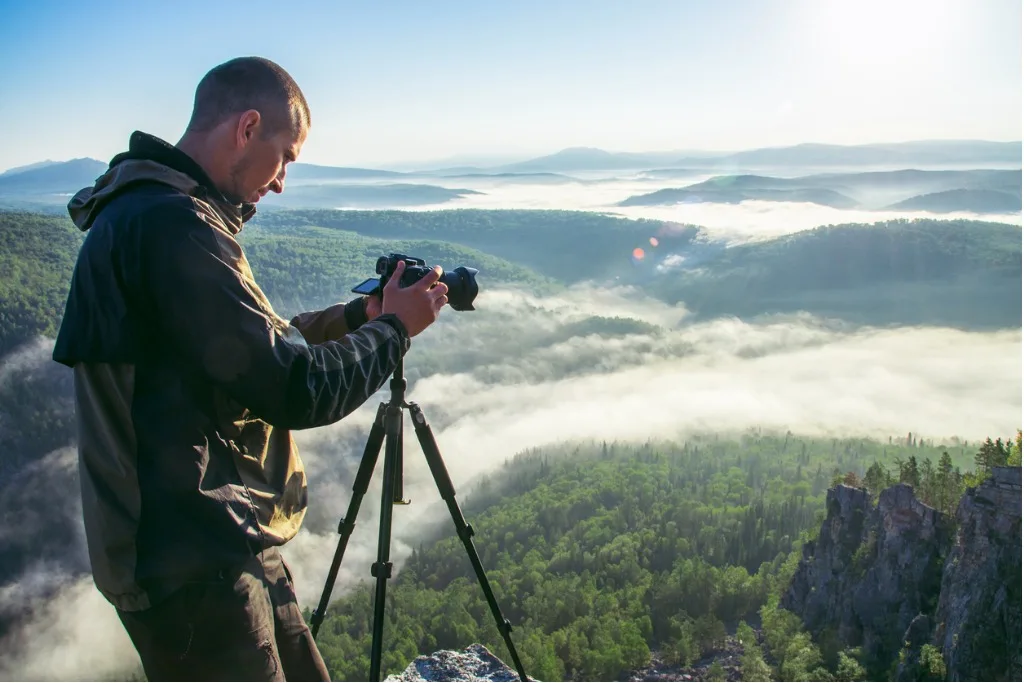
Landscape photography isn’t just about finding a beautiful scene — it’s about seeing the world differently and translating that vision into a compelling image. In this guide, I share practical tips and insights to help you improve composition, depth, and storytelling in your photographs.
Key Tips Include:
- Use Leading Lines: Roads, rivers, and natural elements can guide the viewer’s eye through the scene, creating a sense of movement and depth.
- Foreground, Midground, Background: Include elements in each layer to give your images a three-dimensional feel. Rocks, trees, or water in the foreground can make your photos more immersive.
- Rule of Thirds & Balance: Position key elements along grid lines or intersections to create natural visual flow. Look for symmetry or asymmetry to evoke different moods.
- Light & Golden Hours: Sunrise and sunset offer soft, directional light that enhances textures and adds warmth. Pay attention to shadows and highlights for drama.
- Weather & Seasonal Effects: Fog, rain, snow, or stormy skies can transform an ordinary scene into something extraordinary. Be prepared to adapt and capture fleeting conditions.
- Simplify Your Scene: Remove distracting elements or clutter. Sometimes, less is more in creating impactful imagery.
- Perspective & Angles: Don’t just shoot from eye level. Try low angles, high vantage points, or reflections to add uniqueness to your compositions.
With practice, these tips will help you train your eye, allowing you to capture landscapes that feel alive, balanced, and memorable.